In Denver the question is not whether a pool will freeze, but when. The average first freeze comes around October 7, the earliest on record was September 8, and measurable snow has fallen as early as September 4. A pool still running on autopilot when that first hard night arrives can crack a pump, a filter tank, a heater or a buried pipe. This page sets out when to close, a full closing checklist, and the same steps in reverse for opening in late spring.
Denver Pool Service connects people with independent local pool companies; the company you are connected with does the closing or opening and sets its price.
When to close a Denver pool
| Date | What it means for your pool |
|---|---|
| Late August | Book a closing date. Companies fill up once the first cold front is forecast. |
| September 4 | Earliest measurable snow on record in Denver |
| September 8 | Earliest first freeze on record (2020, tied with 1962) |
| Mid to late September | Most owners close here: water still warm enough to balance, nights getting risky |
| October 7 | Average first freeze date |
| October 17 | Start of the usual window for measurable snow |
| November 15 | Latest first freeze on record (1944) |
Close too early and you lose good swimming days; close too late and you gamble on one cold night. If you are still swimming in late September, keep the pump running through every cold night, watch the forecast and have the closing booked. Moving water resists freezing far better than still water, but a power cut or a tripped breaker on a hard night ends that protection.
The closing checklist
A week before
- Balance the water: pH in the CDC’s range of 7.2 to 7.8, alkalinity and calcium in range.
- Clean the pool thoroughly: brush, vacuum, empty baskets.
- Clean or backwash the filter so it starts the off months clean.
- Check the cover for tears, worn straps and missing anchors, and order parts now.
Closing day
- Shock the pool and add a closing algaecide as the products direct, letting chlorine drop before the cover goes on if the product requires it.
- Lower the water to the level your cover type calls for, usually below the skimmer and return lines for a mesh safety cover.
- Shut off power to the pump, heater, timer and any automation at the breaker.
- Blow out every line with a blower from the equipment pad until air bubbles out of each return, skimmer and cleaner line, then plug each line at the pool end while air is still flowing.
- Install a skimmer guard or ice compensator in each skimmer.
- Drain the pump, filter, heater and any chlorinator or salt cell; open the drain plugs and leave them out in the pump basket.
- Remove and store the pump lid O-ring lubricated, the salt cell clean and dry, and any removable fittings.
- Drain solar panels or a heat pump heater per the maker’s instructions.
- Remove ladders and handrails, and store them out of the sun.
- Fit the cover and tension the straps or anchor springs evenly.
Through the cold months
- Brush snow off a solid cover before it builds up heavy, and pump standing water off it after a thaw
- Check the cover after chinook winds, which can lift loose edges
- Look at the water level once a month: a level that keeps dropping under the cover can mean a leak
- Keep the area around the equipment pad clear so snowmelt drains away
Opening: the same steps in reverse
Open once the nights have stopped freezing and the forecast looks settled. Measurable snow has fallen in Denver as late as June 3, and the usual snow window runs to April 27, so most owners open from mid May into June.
- Clear water, leaves and debris off the cover, then remove, clean, dry and store it.
- Reinstall ladders and handrails.
- Remove the skimmer guards and the line plugs.
- Reinstall drain plugs, the salt cell and any removed fittings; check the pump lid O-ring.
- Top up the water to the middle of the skimmer opening, checking your water provider’s current rules first: Denver Water’s Stage 1 drought declaration runs to April 30, 2027.
- Turn power back on, prime the pump and check every fitting at the equipment pad for leaks.
- Clean the filter, then run the system continuously while you clean the pool.
- Test and balance the water, then shock; keep free chlorine at least 1 ppm once swimming starts.
- Start the heater last, once flow and chemistry are right.
Leaks at the pad, a pump that will not prime or a line that will not hold water usually mean something froze. The pool repair Denver guide covers those repairs and the bucket test, and a heater that will not light after opening is covered in pool heater repair Denver.
Mistakes that cost the most
- Leaving the pool running into October without freeze protection or a closing date
- Blowing out lines but forgetting the heater or the cleaner line
- Plugging lines after the air stops, so water runs back in
- Draining a concrete pool completely to close it: an empty pool can be damaged by groundwater and frost
- A cover left sagging under snow and water until it tears
Hot tubs
Most Denver hot tubs stay open all year. If you are shutting one down, it has to be drained completely, with the lines blown out, which is harder than it sounds because spa plumbing holds water in low spots. The hot tub repair Denver page explains freeze damage in spas. Closing also protects the pool’s surface: freeze-thaw on a poorly closed pool is a common reason owners end up reading the pool resurfacing Denver guide.
Mesh or solid cover
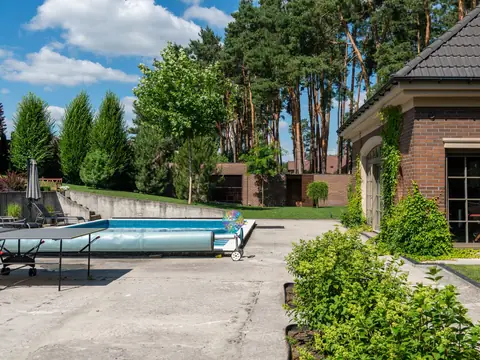
Denver owners use two main kinds of safety cover. A mesh cover lets rain and snowmelt drain through into the pool, so the water level rises over the cold months and the pool needs more cleanup at opening, but there is nothing to pump off the cover. A solid cover keeps out sunlight and debris, so the water usually opens cleaner, but snow and meltwater sit on top and have to be pumped or brushed off, and the extra weight strains straps and anchors. Whichever you have, the cover is a safety device first: it should be anchored all the way round with no gaps a child or pet could get through.
Strong sun at altitude ages covers quickly. Look for faded, stiff or torn fabric and frayed straps at closing time, and replace worn springs before they snap under a heavy snow load.
Leaving it running instead
Some owners in milder places keep the pool running through the cold months with a freeze guard that starts the pump when the air drops near freezing. In Denver that is a riskier bet. Lows can drop to minus 10 or below, a heavy snow can bring down power lines, and a tripped breaker or a pump failure during a cold night stops the only thing protecting the plumbing. If you do keep a pool running, ask the pool company to set up freeze protection on the automation, test it, and tell you what to do if the power fails. Most Denver owners decide a proper closing is cheaper than one cracked pump.
Doing it yourself or hiring it out
Balancing water, cleaning and fitting a cover are within reach of most owners. Blowing out lines properly needs a blower strong enough to clear every line, the right plugs, and knowing your plumbing: which valve feeds which line, where the heater drains, and whether there are low spots that trap water. If you have never done it, have a pool company close the pool once and watch, then decide.
Whoever closes the pool, keep a short record: the closing date, the chemistry readings, which lines were plugged and anything that looked worn. At opening it tells you, or the company, exactly where to start, and if something cracked over the cold months it shows whether the closing was done properly. A photo of the equipment pad on closing day is worth having too.
Want the pool closed before the first hard freeze? Send the request card with your ZIP and pool type, and a local pool company can contact you.
Request a quoteQuestions people ask
When should I close my pool in Denver?
Before the first hard freeze. The average first freeze is around October 7 and the earliest on record was September 8, so most owners close in mid to late September.
Do I have to blow out the lines?
Yes. Water left in the plumbing freezes and cracks pipes and equipment. Each line is blown out with air and plugged while air still flows.
Should I drain my pool for the cold months?
No, not a concrete pool. Lower the water to the level your cover calls for. A fully drained pool can be damaged by groundwater and frost.
When can I open my pool in Denver?
Once nights stop freezing, usually mid May into June. Snow has fallen as late as June 3, so watch the forecast.
Does Denver Pool Service close pools?
No. It connects you with an independent local pool company, who does the closing and sets the price.
